This is how nature fertilizes itself! Teamwork for 500 million years.
How plants benefit from mycorrhizal fungi.
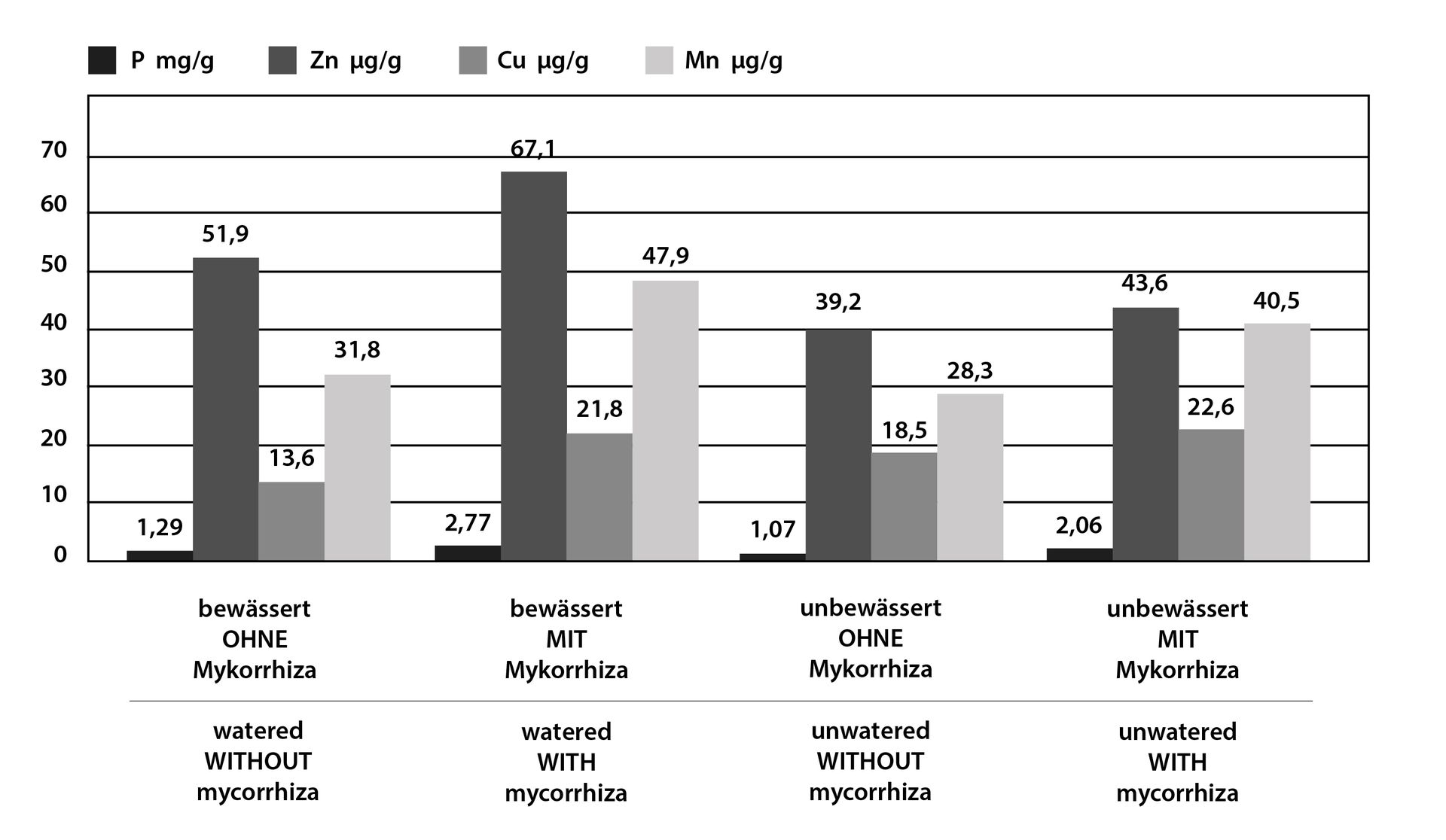
Mycorrhiza-Mushrooms have specialised in colonising plant roots. The mycelial threads of the fungi are much finer and penetrate deeper into the soil than the plant roots. Mycorrhizal fungal filaments are extensions of the root system in the soil. The plant now has a much larger absorption surface at its disposal. Plant roots in symbiosis with mycorrhizal fungi are therefore more effective at absorbing nutrients and water than the roots alone.
Plants receive significantly more nutrients and water from the soil through symbiosis with mycorrhizal fungi. Find out on the following pages why your
plants and also your crop yields will benefit from mycorrhiza!
Teamwork for 500 million years!
Fossil finds show that mycorrhizal fungi developed at the same time as the first primitive plants colonised the land around 500 million years ago.
The latest research shows that around 90 % of all known plant species form a symbiotic relationship with mycorrhizal fungi. This suggests that it was only through the partnership between plants and fungi that the successful colonisation of the mainland by vegetation was possible.
What exactly do mycorrhizal fungi do to my plants? ?
Networks of microscopically fine mycelium threads surround the root structure of the seedling, which leads to a significant expansion of the surface area. This significantly improves the growing plant's ability to absorb water and nutrients. Additionally, this relationship is beneficial by ensuring more uniform growth, increased leaf size, more flowering and increased crop yields. The fungi provide the plant with valuable nutrients, vital substances, minerals and trace elements that could not be absorbed from the soil by the plant root alone - without mycorrhiza - or only in very small quantities. This strengthens the plant's natural immune system and improves protection against disease and pest infestation..
Mycorrhizal fungi increase the surface area of the roots!
These fungi increase the surface area of the roots for absorption many times over, significantly improving the plants' ability to utilise the soil. Several kilometres of fungal filaments can be found in less than a thimbleful of soil. Mycorrhizal fungi increase nutrient uptake by increasing the absorption area of the roots and filtering out nutrients such as phosphorus, iron and other "lightweights" of soil nutrients. This removal process is beneficial for plant nutrition and explains why non-mycorrhizal plants need high doses of fertiliser to maintain their health. Mycorrhizal fungi form a complex network that captures and assimilates nutrients. Under non-mycorrhizal conditions, much of this natural fertility of the soil is wasted and remains unutilised in the soil.
Mycorrhizal fungi balance the plant's immune system! Mycorrhizal fungi are associated with a number of other activities that promote plant emergence and growth. The extended network of fungal filaments is important for water uptake and storage. Mycorrhizal fungi absorb water like a sponge and pass it on to the plant in doses. This also protects the roots from excessively moist soil. In non-irrigated conditions, mycorrhizal plants have far less drought stress than non-mycorrhizal plants.
Mycorrhizal fungi also improve the soil structure! Mycorrhizal threads produce soil cushions and organic "glues" (extracellular polysaccharides),
which combine with the soil to form aggregates and thus improve soil porosity. Soil porosity and soil structure in turn have a positive influence on plant growth by increasing aeration, facilitating the penetration of water into the soil and promoting root growth and distribution. In sandy or compact soils,
the ability of mycorrhizal fungi to promote soil structure improvement is just as important as water and nutrient access. As mycorrhizal fungal filaments penetrate much further into the soil than plant roots, they also make it more resistant to leaching and erosion.
Doesn't soil already contain mycorrhizal fungi anyway?
Undisturbed, natural soil is rich in many beneficial soil organisms, including mycorrhizal fungi. Sadly, the excessive use of fertilisers and pesticides destroys the mycorrhizal fungi that naturally occur in the soil. Even industrially prepared soils and other substrates usually do not contain mycorrhizal fungi.
Research indicates that many practices negatively affect the soil's potential to form mycorrhiza. Intensive tillage, topsoil removal, erosion, field preparation, pest control through fumigation, road and house construction, monocultures and fallowing are just some of the activities that affect the natural balance of the soil. As a result, the natural balance is impaired or even completely destroyed. Important soil organisms and mycorrhizal fungi are disappearing.
This forces many to use fertilisers or find other artificial ways to stimulate plant growth. However, it is increasingly recognised that the excessive use of such substances has a negative impact on water quality and the environment as a whole.
Soil conditions, irrigated and non-irrigated, with and without mycorrhiza: